TURBIO IV - INFORMATION FOR CLIMBERS
So, you want to plan a climbing expedition to The Turbio Valley?
This page is for you.
Organizing an expedition into the Río Turbio and the stunning Turbio IV valley is not straightforward, and for good reason. This is one of Patagonia’s most remote, community-supported valleys, where logistics depend on weather, local relationships, and a patchwork of public and private land.
Before you start hauling a hundred pounds of gear up the trail, here’s what you need to know.
Why Planning Is Tricky
The valley depends on local families, gauchos, small businesses, and refugio caretakers whose work makes travel possible. Communication is often limited to in-person conversations, and almost all of the logistics aren’t available to book online as of 2025.
Because of this, you should plan your trip AT LEAST SIX MONTHS IN ADVANCE, and ideally work with someone who has local knowledge (us or another trusted source).
We are happy to help, but please keep in mind that coordinating everything requires real time on the ground, not just phone calls.
RENTING PACKRAFTS
We can potentially rent you our boats. THE way out of the valley is definitely to boat out. Keep in mind as you float out, there is private land on either side of the river on your way out. Don’t trespass onto someone’s home.
There is an Argentinian packrafting business that we highly recommend: https://www.instagram.com/kanoapackrafts/. They could potentially help you out with boats if we can’t.
1. Boat Transport Across Lago Puelo
There is no advance booking system for the boats that ferry you across Lago Puelo to the start of the trail. This part must be handled locally, usually a few days before you depart. Only certain boat operators make the crossing, and you’ll need to walk the docks, ask around, and coordinate directly.
Important factors:
• Wind can shut down the lake for hours or days. Build in a buffer or be prepared to wait.
• You may get stuck in Lago Puelo if weather turns.
• Cash is required for everything.
2. Public & Private Land: Know Who You Need to Talk To
The Río Turbio valley is a mix of public land and privately owned ranches. You cannot simply walk in expecting to pass through without making contact.
Why this matters:
• Families, gauchos, and valley workers manage and maintain access.
• Many horse-packers have no cell service, so communication is passed via hikers coming up or down the trail.
• These folks are generous and welcoming, but only if you communicate ahead of time.
Showing up unannounced is not good practice here — you need to know who to contact and how to reach them.
3. The Refugios
The refugios along the Río Turbio are incredible places built by Argentinian mountaineers, gauchos, route-setters, and visionaries who pioneered access to the valley. Importantly:
• The refugio builders also built the trail, and you must pass through their land to reach the upper valley.
• Each refugio is affordable and community-supported, but you need to coordinate with the managers in advance.
• Space is limited, and during busy season these huts may be full of trekkers and guided groups.
It is unacceptable — and impractical — to enter the valley without notifying these caretakers ahead of time. They’re central to the valley’s safety, access, and culture.
4. Camping Considerations: Extreme Weather & Flooding
Camping may sound appealing, but the valley can experience two weeks (or more) of continuous rain. This is not an occasional drizzle — heavy, sustained storms are common.
Why a refugio matters:
• You’ll appreciate a dry, warm shelter more than you think.
• Camping outside can be dangerous; flooding is common on certain flats and happened to us twice on one expedition.
• Refugios require advance booking, especially in peak season.
• You will almost certainly share the sleeping area and small kitchen with others — expect a communal experience.
If you choose to camp outside without a refugio reservation, be prepared for long, wet days and limited safe places to pitch a tent.
5. The Rock & Climbing Information
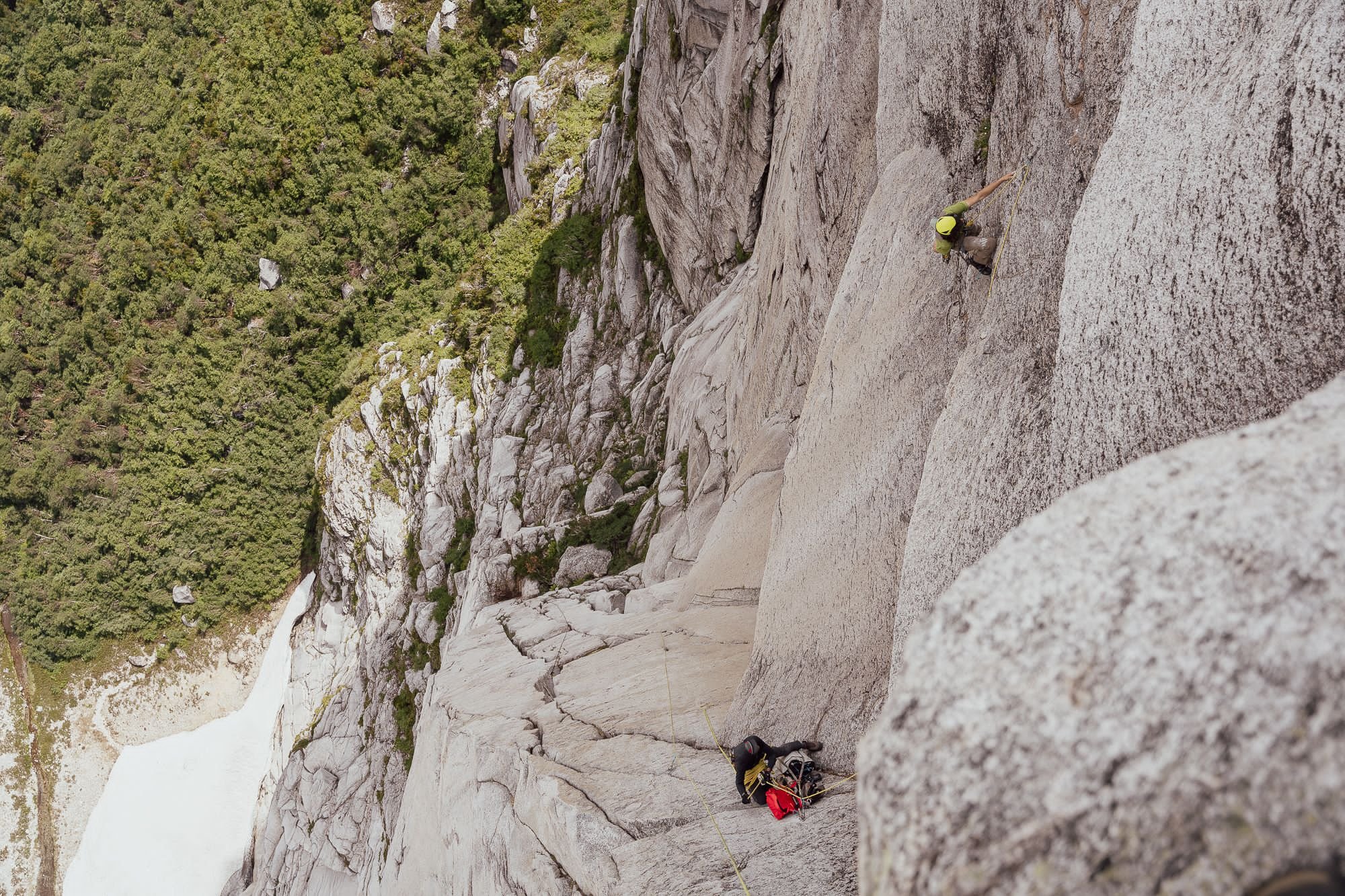
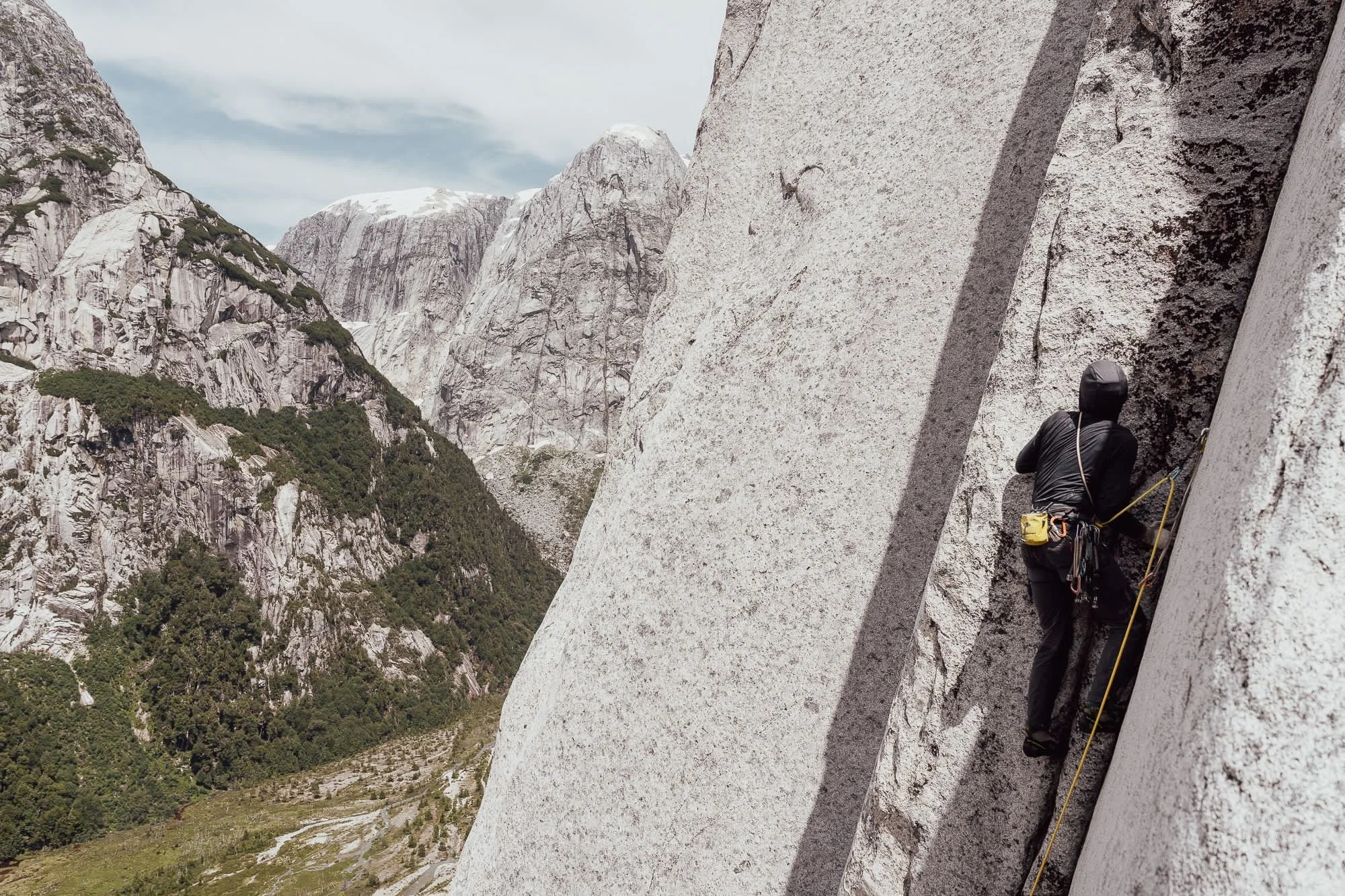
There is a lot of rock and huge potential for adventure climbing — but this is not a developed destination.
• No route beta or guidebook is available from us.
• Topos are located in the last refugio. The rain could totally spin or rip the hangars of bolts off the wall. So have some backup hangars.
• Treat this as an exploratory climbing experience, not a place with polished information or well-documented routes.
Even if you’re coming for existing routes, bring the mindset (and ethics) of a first-ascent team.